 Қазақша
 Русский








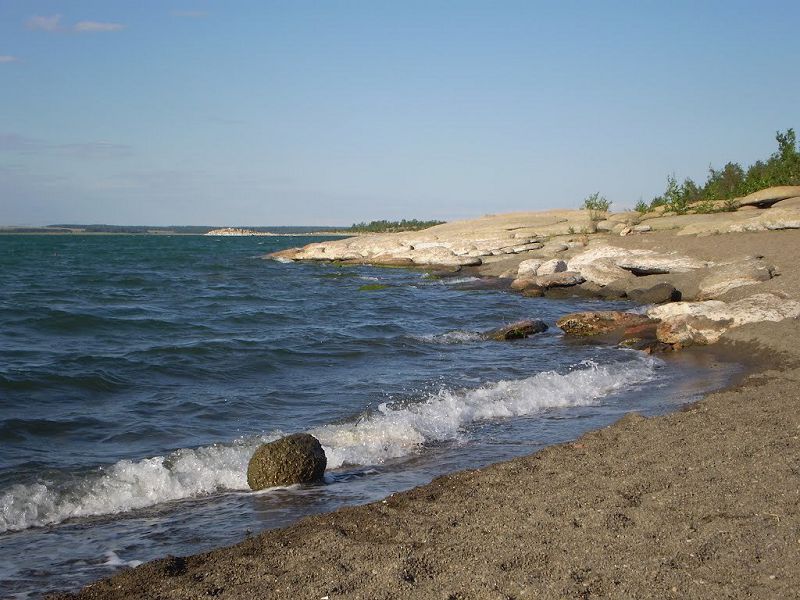
Lake Shalkar is one of the natural monuments of the Ural region. It is located in West Kazakhstan Region, within Terekti District. The lake is noted for its ecological, scientific, cultural, recreational and aesthetic importance. It belongs to the Ural River basin. The Sholakañqaty and Yesenañqaty rivers flow into the lake, and when water levels rise, an outlet river flows from it.
The lake is rich in birdlife. Swans, geese, ducks, flamingos, gulls and many other water birds can be found here. For this reason, Lake Shalkar attracts both nature lovers and researchers.
Since ancient times, the lake has drawn human attention. Its shores were inhabited by Oghuz and Pecheneg tribes, and later by Kipchak and Turkic peoples - the ancestors of the Kazakh nation. This was mentioned in the writings of Ahmad ibn Fadlan, who described his journey from Khorezm to Volga Bulgaria in 921-922.
Local residents often call Shalkar the “Little Sea.” The lake is considered a very ancient body of water. According to one widely accepted theory, it is a remnant of the ancient Khvalyn Sea, which once covered much of the present-day Caspian Lowland.
The water of Lake Shalkar is classified as saline chloride-sodium mineral water. It contains calcium, magnesium and other beneficial mineral elements. Owing to these qualities, the lake is valued for its restorative properties.
For centuries, Shalkar remained an attractive place for settlement and trade. Villages were established nearby, while merchants and missionaries travelled through the area. Today the lake is recognised as a natural treasure, a recreation destination and one of the scenic highlights of western Kazakhstan.