 Қазақша
 Русский








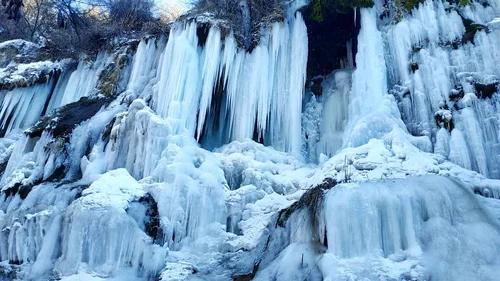
Zhylak Ata Dripping Waterfall is one of the unusual natural and sacred landmarks of the Mangystau region. It is known for water that continuously or seasonally seeps and drips from rocky formations. Despite the dry climate of the area, the presence of water among the rocks makes this site a rare natural phenomenon. For this reason, it has long been respected by local communities as a special sacred place.
Mangystau is largely characterised by arid and semi-desert landscapes. In such conditions, water emerging from stone is seen as a symbol of life and a gift of nature. Therefore, the waterfall carries not only natural significance but also spiritual meaning.
The name “Zhylak Ata” is associated with water drops resembling tears. As moisture slowly runs down the rock face, it creates the impression that the stone itself is crying. The term “dripping waterfall” highlights that the water does not fall as a powerful stream but descends in many small droplets.
Several legends are connected with the site. Some traditions describe Zhylak Ata as a righteous and wise figure, with the water symbolising his tears. Other beliefs say that visiting the place brings inner cleansing and the fulfilment of sincere wishes.
From a scientific perspective, the waterfall is formed by groundwater emerging through cracks in limestone or chalk formations. The water seeps outward and gradually moves down the rock surface as many separate droplets. Water volume may vary depending on season and rainfall.
The surrounding landscape is visually striking, with pale cliffs, open plains, and the distinctive scenery of Mangystau creating a unique atmosphere. The site attracts travellers, photographers, and nature enthusiasts.
Today, Zhylak Ata Dripping Waterfall is becoming an increasingly popular destination for domestic tourism and pilgrimage. Visitors come to witness the unusual natural feature, relax, and experience the spiritual culture of the region.