The Karakura (Karabura) Saint Mausoleum is located in the South Kazakhstan region, about 257 km from the city of Shymkent, in the village of Sozak in Sozak District. This sacred complex was rebuilt in 1997.
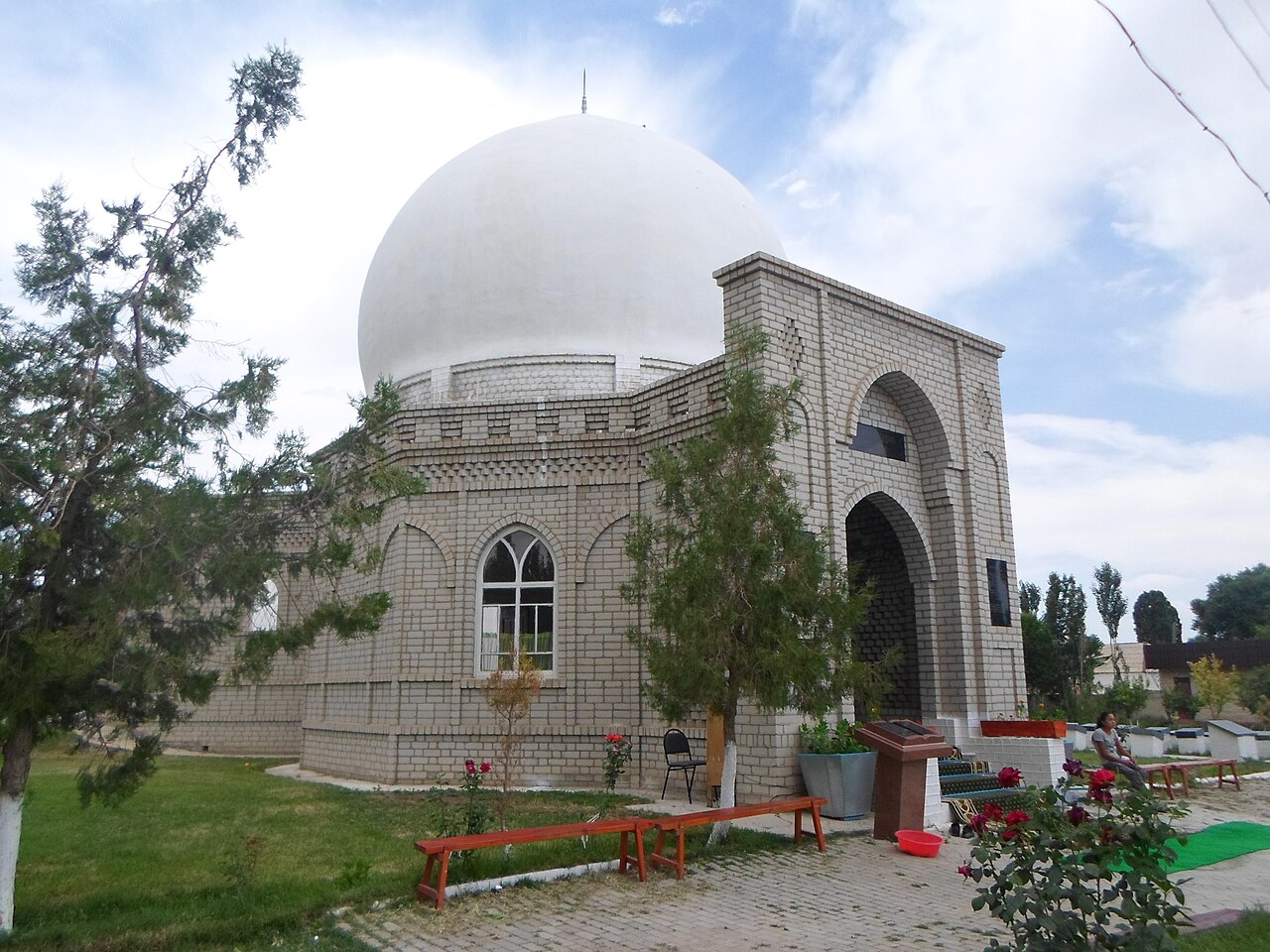
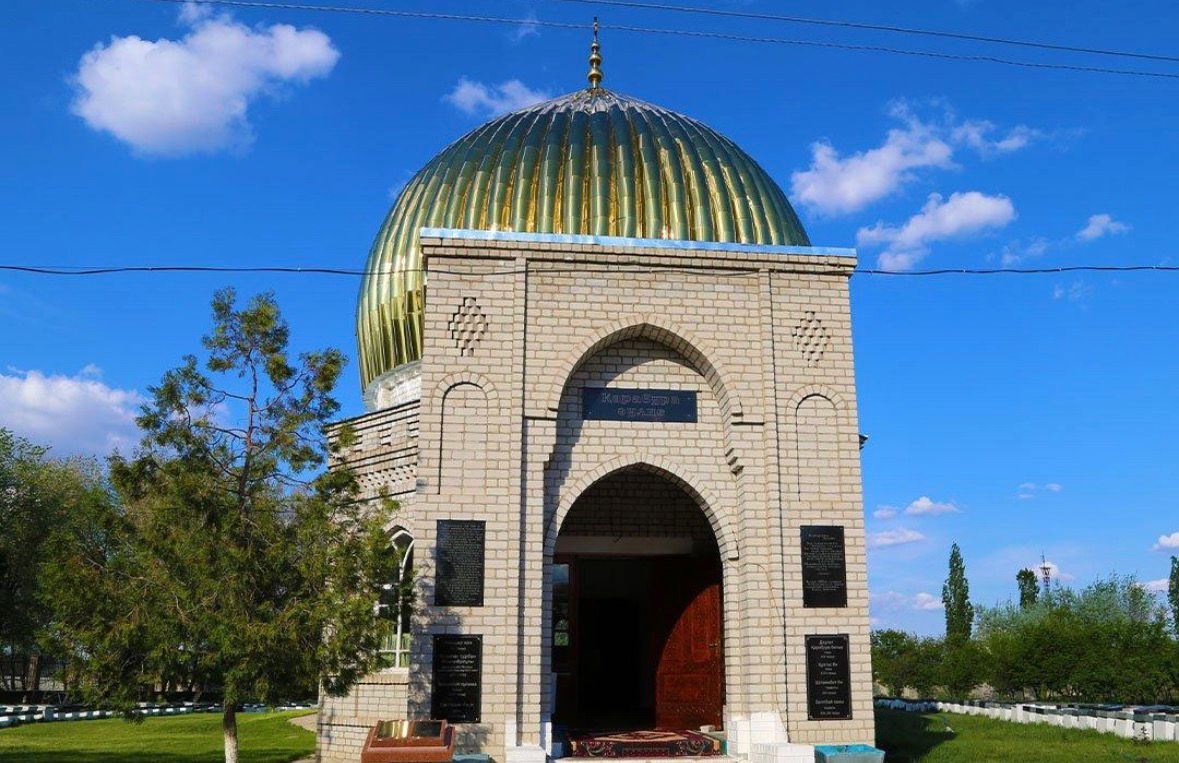
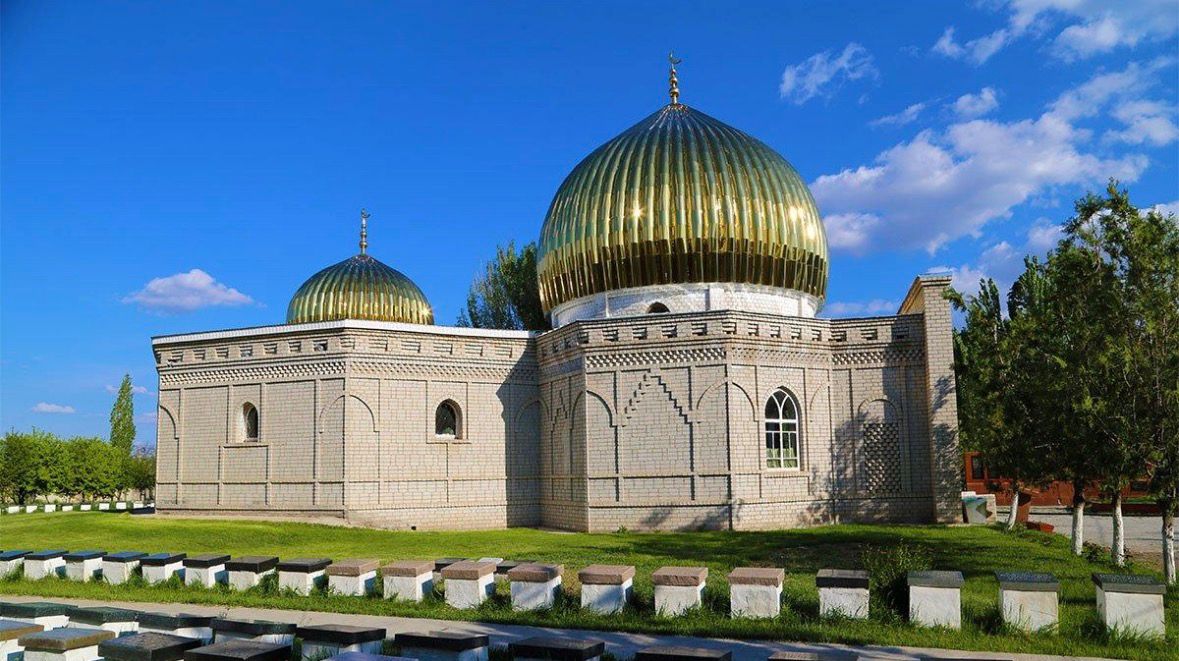
The main structure is built from white brick and consists of two octagonal rooms. The height of the complex is about 17 meters, and the roof is a dome. The first room has an area of about 100 square meters, while the second one is open-air and contains the remains of the original 14th-century mausoleum.
The most important feature is the burial site of Karabura Saint, located inside the old mausoleum. It is built of rough stone and adobe bricks, with walls covered in clay plaster. The structure is cubic in shape and topped with a dome. The dome has four openings for light, and inside there are arched niches and a central brick tombstone.
To the right of the old mausoleum lies the grave of Kurban Ata, marked by a memorial stone. Nearby are black marble plaques containing soil brought from the burial sites of holy figures such as Prophet Muhammad (PBUH), Arystan Bab, Khoja Ahmed Yasawi, Ishaq Bab and Baba Tukti Shashti Aziz.
Behind the complex are the graves of well-known historical figures including Aknazar Khan, Belgibay Hajji, Shilmenbet Bi, Kultas Bi, Kozhamkul scholar, Daulet-Karabura Batyr and Shakhasum-Akhun, each marked with black marble stones.
The entrance of the mausoleum faces west, toward the Khoja Ahmed Yasawi Mausoleum, symbolizing spiritual connection. Around the complex there is a pantheon where soil and names of notable figures from the Turkic world are placed on memorial stones.
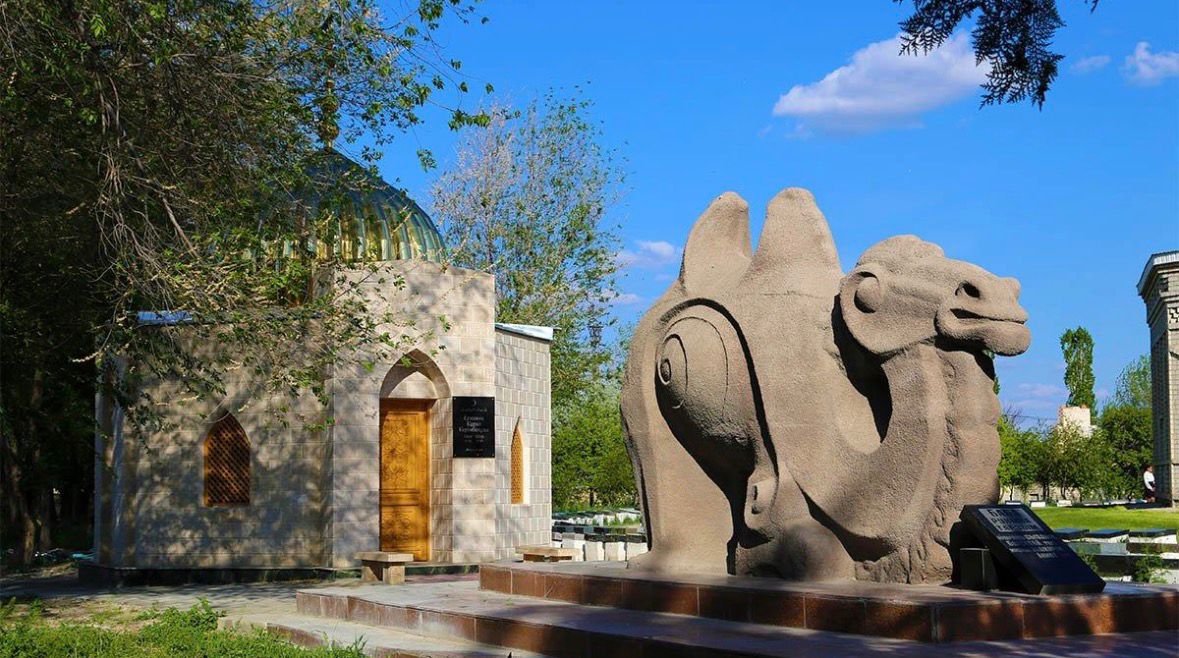
On the eastern side stands a dome dedicated to the Kazakh composer and kyui performer Sugir Aliyev, while on the western side there is a camel monument marking the place where, according to legend, Karabura Saint’s camel knelt.
Karabura Saint (11th-12th century) was a religious figure of the Oghuz-Kipchak era, from the Tama clan. He lived along the Shu, Talas, Syr Darya, Ural, and Zhaiyk rivers, and worked to spread Islam while preserving the traditional nomadic way of life.
He was spiritually connected with the great Sufi thinker Khoja Ahmed Yasawi, and is therefore highly respected among Turkic peoples. Today, his mausoleum in Sozak is considered a sacred pilgrimage site in Central Asia.
Sources: kz.otyrar.kz