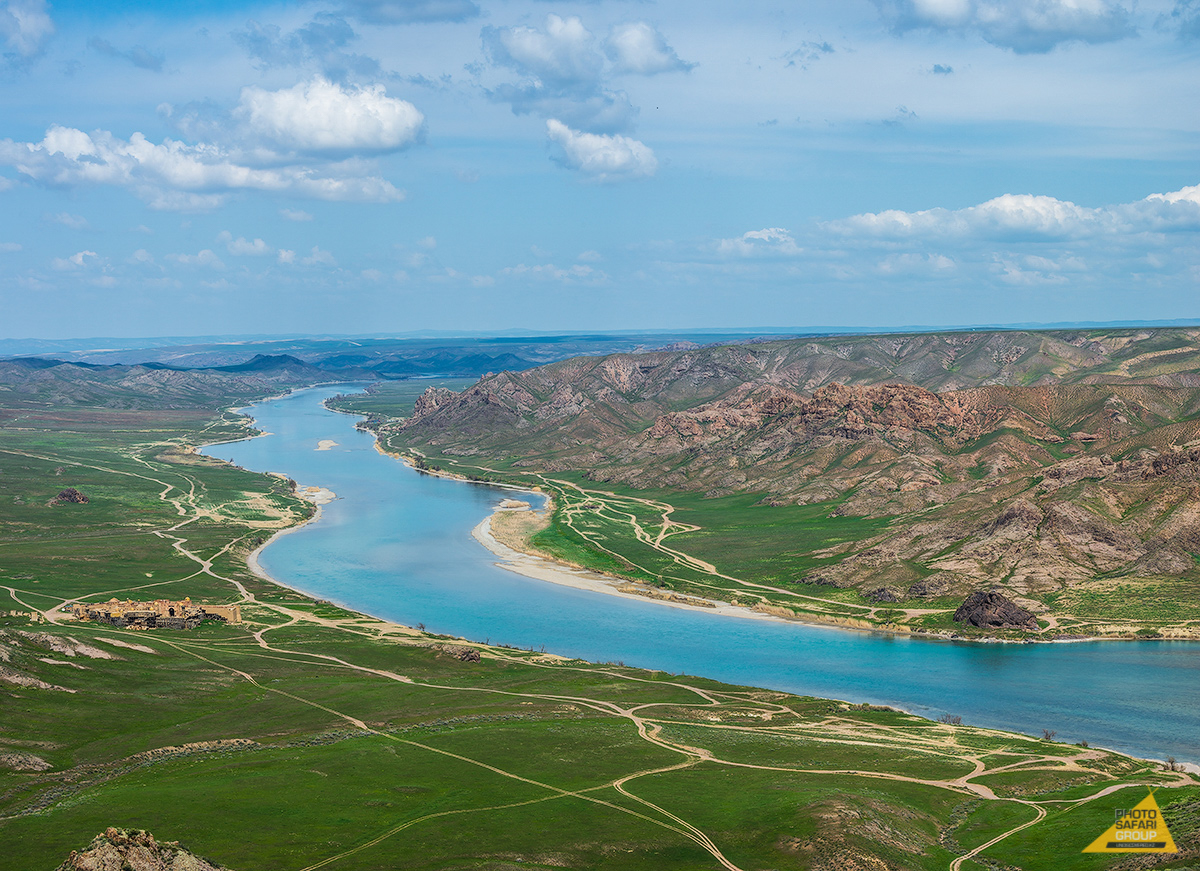
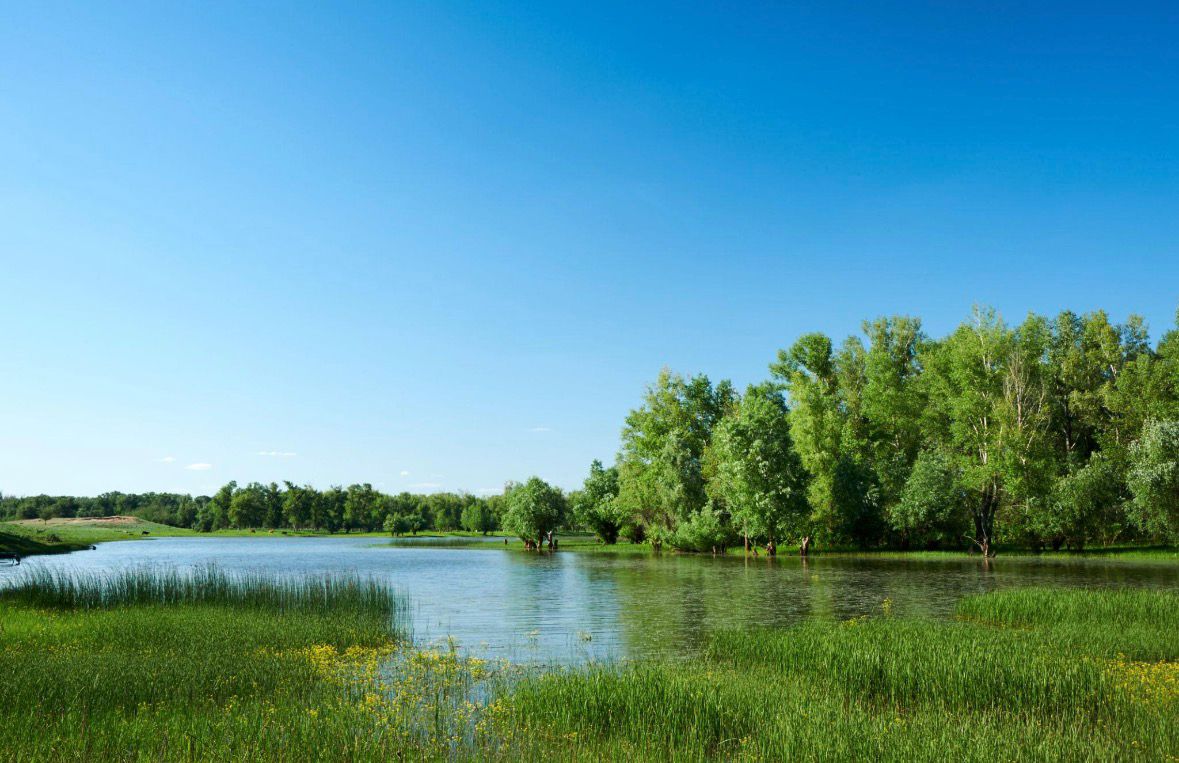
Жайық өзені - Қазақстан мен Ресей аумақтары арқылы ағып өтетін ірі өзен. Халықаралық атауы - Урал өзені, ал қазақ халқы оны ежелден Жайық деп атайды. Өзен бастауын Ресей Федерациясындағы Орал тауларының оңтүстік сілемдерінен алып, Қазақстанның батыс өңірлері арқылы ағып өтіп, Каспий теңізіне құяды. Жайық өзенінің жалпы ұзындығы шамамен 2428 шақырымды құрайды, оның 1082 км-і Қазақстан жерінде орналасқан. Оның 1 000 шақырымнан астам бөлігі Қазақстан аумағы арқылы өтеді. Өзен алабының жалпы ауданы 230 мың шаршы шақырымнан асады. Жайық - Каспий теңізіне құятын ең ірі өзендердің бірі әрі Еуропа мен Азияны байланыстыратын маңызды табиғи су артериясы.
Жайық негізінен қар суымен қоректенетін өзендердің қатарына жатады. Оның орташа жылдық су шығыны шамамен 400 м³/с. Сонымен қатар бұл өзеннің ерекше маңызы бар, өйткені ол ұзақ уақыт бойы Еуропа мен Азияны бөліп тұрған табиғи шекаралардың бірі ретінде қарастырылып келеді.
Ұзындығы бойынша Жайық Еуропадағы үшінші ірі өзен саналады. Одан тек Волга мен Дунай ғана ұзын. Өзеннің негізгі бөлігі Еуропа аумағында орналасқандықтан, оны көбіне еуропалық өзендердің қатарына жатқызады.
Жайық атауының шығу тарихы
Тарихи деректерде өзен әр кезеңде әртүрлі атаулармен белгілі болған. Ежелгі замандарда ол Ликос, кейінірек Даикс, Даих, Джаих, Ягак, Улусу сияқты атаулармен аталған. Ал «Яик» атауы орыс жазбаларында алғаш рет 1229 жылы кездеседі. Өзен жағасында өмір сүрген қазақтар, башқұрттар, татарлар және басқа да халықтар оны Жайық, Яик, Джаикдеп атаған. Бұл атаулар өзеннің кеңдігін, мол суын және қуатын білдіреді. Кейін өзенге Орал атауы берілді. Бұл атау өзеннің бастау алатын Орал тауларымен байланысты. Түркі тілдеріндегі түсінік бойынша, бұл сөздер өзіне көптеген өзендерді қосып алатын үлкен су арнасын білдіреді. Екатерина ІІ Пугачев көтерілісінен кейін халық жадынан сол оқиғаларды өшіру мақсатында 1775 жылы Яик өзенінің атауын Орал деп өзгерту туралы жарлық шығарған.
Халық шаруашылығындағы маңызы
Жайық ежелден халықтың тіршілігімен тығыз байланысты болған. Қазақ халқы оны тіршілік көзі, асыраушы өзен ретінде ерекше құрметтеген. Өзен суы ауыл шаруашылығында, өндірісте және тұрмыстық қажеттіліктерде кеңінен пайдаланылады. Бұрынғы уақытта Жайық өңірінде балық шаруашылығы мен кеме қатынасы ерекше дамыған. Өзен бекіре тұқымдас бағалы балықтарға өте бай болған. Алайда соңғы жылдары су деңгейінің төмендеуіне байланысты кеме қатынасының мүмкіндігі азайып келеді. ХІХ ғасырдың соңында зерттеуші Н. Я. Данилевский Жайықты әлемдегі ең маңызды балық шаруашылығы өзендерінің бірі ретінде сипаттаған. Сол кезеңде өзен бойындағы халықтың негізгі кәсібі балық аулау болған.
Аймақтың табиғи ерекшеліктері
Жайық өзенінің атырауы мен Каспий теңізінің жағалауы халықаралық маңызы бар су-батпақты алқаптардың қатарына кіреді. Бұл аумақтар Рамсар конвенциясының тізіміне енгізілген. Қазақстан 2007 жылы осы конвенцияға қосылып, су ресурстарын сақтау және табиғи экожүйелерді қорғау жөніндегі халықаралық міндеттемелерді қабылдады.
Өзеннің экологиялық жағдайы
Соңғы жылдары Жайық өзенінің экологиялық жағдайы күрделене түсті. Су деңгейінің төмендеуі, климаттық өзгерістер және адамның шаруашылық қызметі өзенге айтарлықтай әсер етуде. Бекіре балықтарының саны бірнеше ондаған есе азайған, ал олардың уылдырық шашатын табиғи орындары жойылып барады. Сонымен қатар өндірістік және тұрмыстық қалдықтардың көбеюі су сапасының нашарлауына себеп болды. Өзен суында кейбір зиянды заттардың мөлшері рұқсат етілген деңгейден бірнеше есе асып кеткен. Өзен түбінде жиналған қоқыс пен өндірістік қалдықтар су жануарларының тіршілігіне кері әсер етуде.
Жайық өзенінің табиғи ерекшеліктері
Қазақстан аумағында Жайық өзені көптеген кең жайылымдар мен көлшіктерді қалыптастырып ағады. Каспий маңы ойпатына жеткенде өзен арнасы кеңейіп, жазық өзенге айналады. Жағалауларында құм мен саздан түзілген тік жарқабақтар жиі кездеседі. Өзеннің негізгі салаларына Самара, Шаған, Елек және Ор өзендері жатады. Ал Өлеңті, Бұлдырты, Қалдығайты, Ойыл және Сағыз өзендері көп жағдайда Жайыққа жетпей, құмға сіңіп кетеді. Жайық өзені арқылы көптеген суару және суландыру жүйелері жұмыс істейді. Сонымен қатар өзен суы мұнай кәсіпшіліктері мен елді мекендерді сумен қамтамасыз ету үшін пайдаланылады. Өзенде бекіре, шоқыр, майшабақ, көксерке, сазан, жайын және басқа да балық түрлері кездеседі.
Жайық өзені - Қазақстанның табиғи байлығы ғана емес, халықтың өмірі мен мәдениетімен тығыз байланысты ерекше су арнасы. Оның экологиялық жағдайын жақсарту, су ресурстарын ұқыпты пайдалану және табиғи тепе-теңдікті сақтау - баршамыздың ортақ міндетіміз.
Бүгінгі таңда Жайықты қорғау арқылы біз тек табиғатты ғана емес, келер ұрпақтың болашағын да сақтаймыз. Сондықтан өзеннің тазалығын сақтау, оның суын үнемдеп пайдалану және табиғи байлығын қорғау әрбір азаматтың жауапкершілігі болуы тиіс.
Дереккөз: stud.kz