Jochi Khan (1187-1227) was the eldest son of Genghis Khan, a renowned military commander, and the founder of the Jochi Ulus. This state, established in the Kipchak steppe after the Mongol invasion, played a significant role in the formation of later states across the Great Steppe. The life and legacy of Jochi Khan are closely intertwined with the history of this vast region.
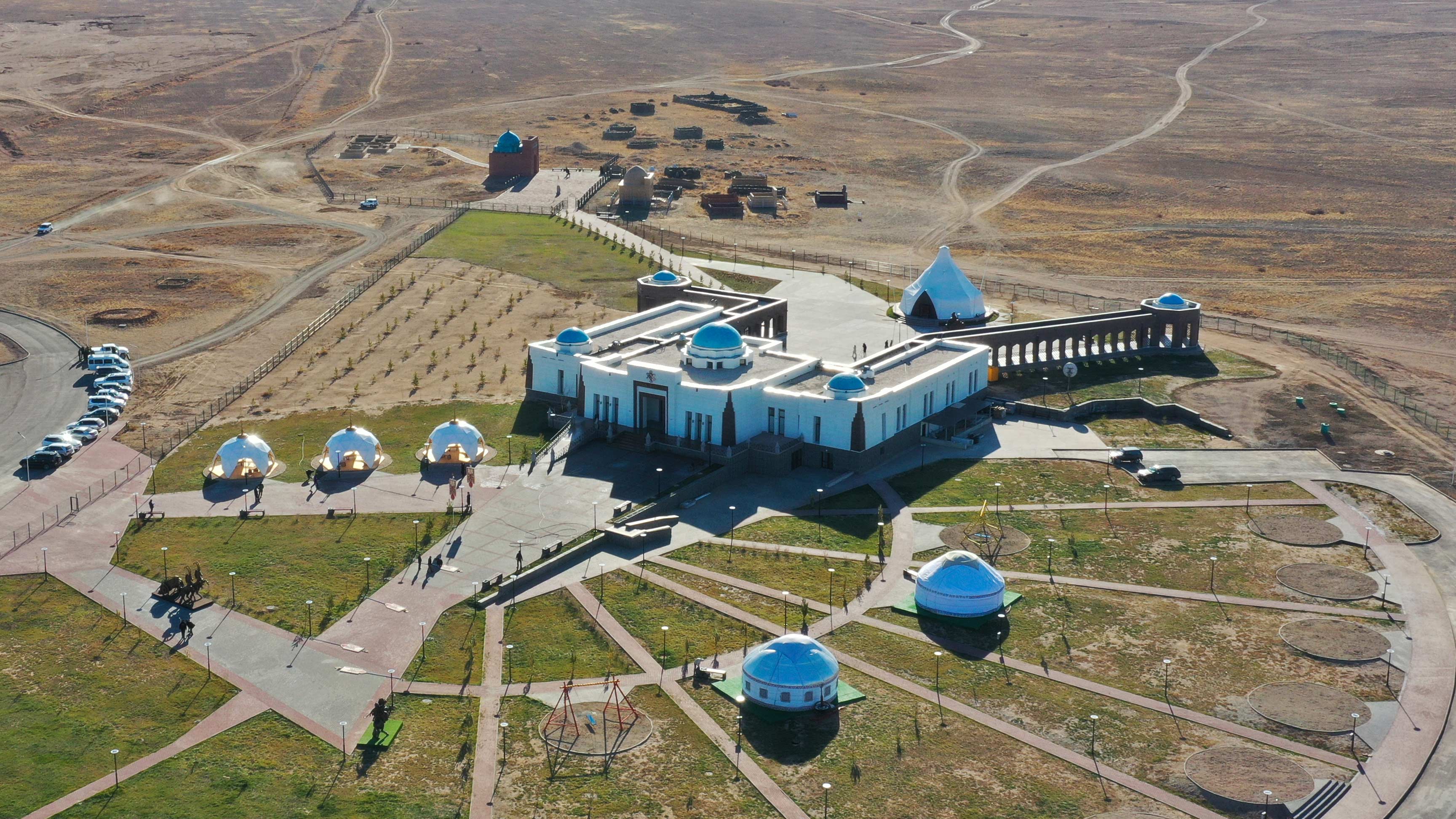
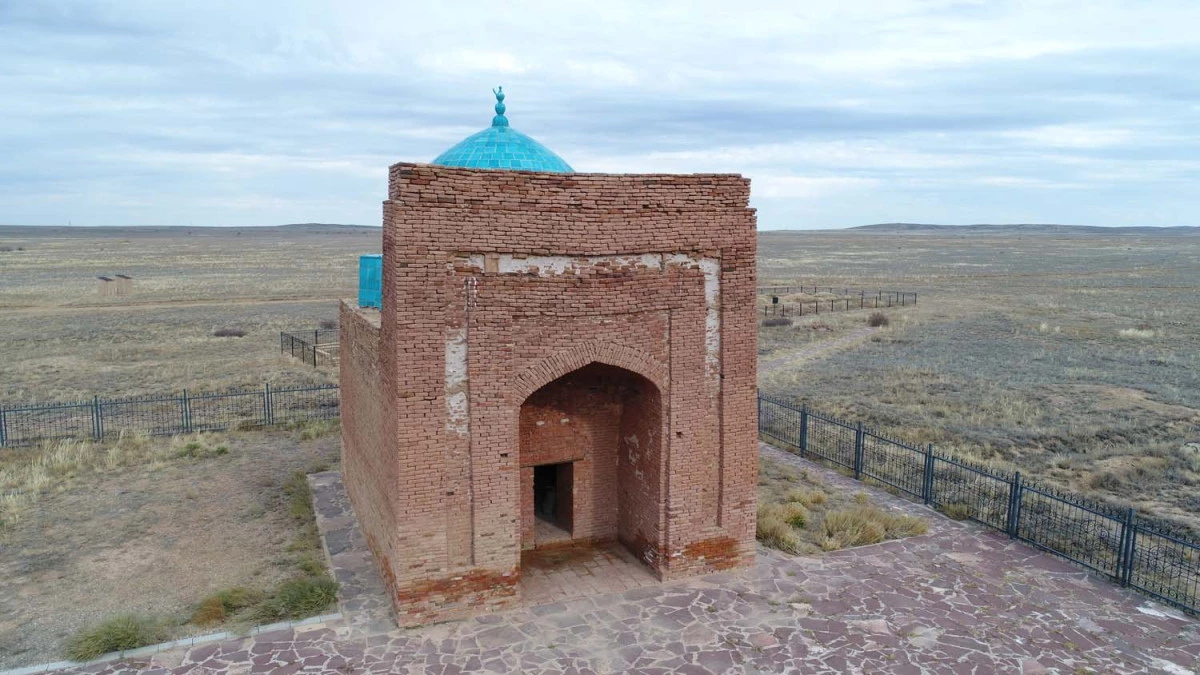
The Mausoleum of Jochi Khan is located in the Ulytau Region, approximately 45 kilometers from the city of Zhezkazgan, on the left bank of the Kengir River. For centuries, this historical monument has been held in high esteem by the local people. The earliest written references to the mausoleum appear in the works of Utemish Haji from the mid-16th century. In his writings, he mentioned the existence of Jochi Khan's burial site in the Ulytau area.
Later, in 1661, Abu al-Ghazi Khan's work "Genealogy of the Turks" recorded that Jochi Khan's headquarters was located in Ulytau. Historical sources also state that in 1582, Abdullah II Khan, during his campaign against Baba Sultan, made a special stop at the mausoleum of Jochi Khan. He spent three days there with his nobles, offering prayers and paying tribute to the great ruler.
Information about the mausoleum continued to appear in later historical records. During the "Dusty March" of 1771, the Russian explorer Rychkov, who participated in an expedition through the region, left written accounts describing the monument. In the 19th century, Chokan Valikhanov and military-scientific expeditions of the Russian Empire studied the Ulytau region and collected valuable information about the mausoleum. A scientific publication released in 1862 provided detailed historical accounts and legends associated with the mausoleums of Jochi Khan, Alasha Khan, and Dombaul.
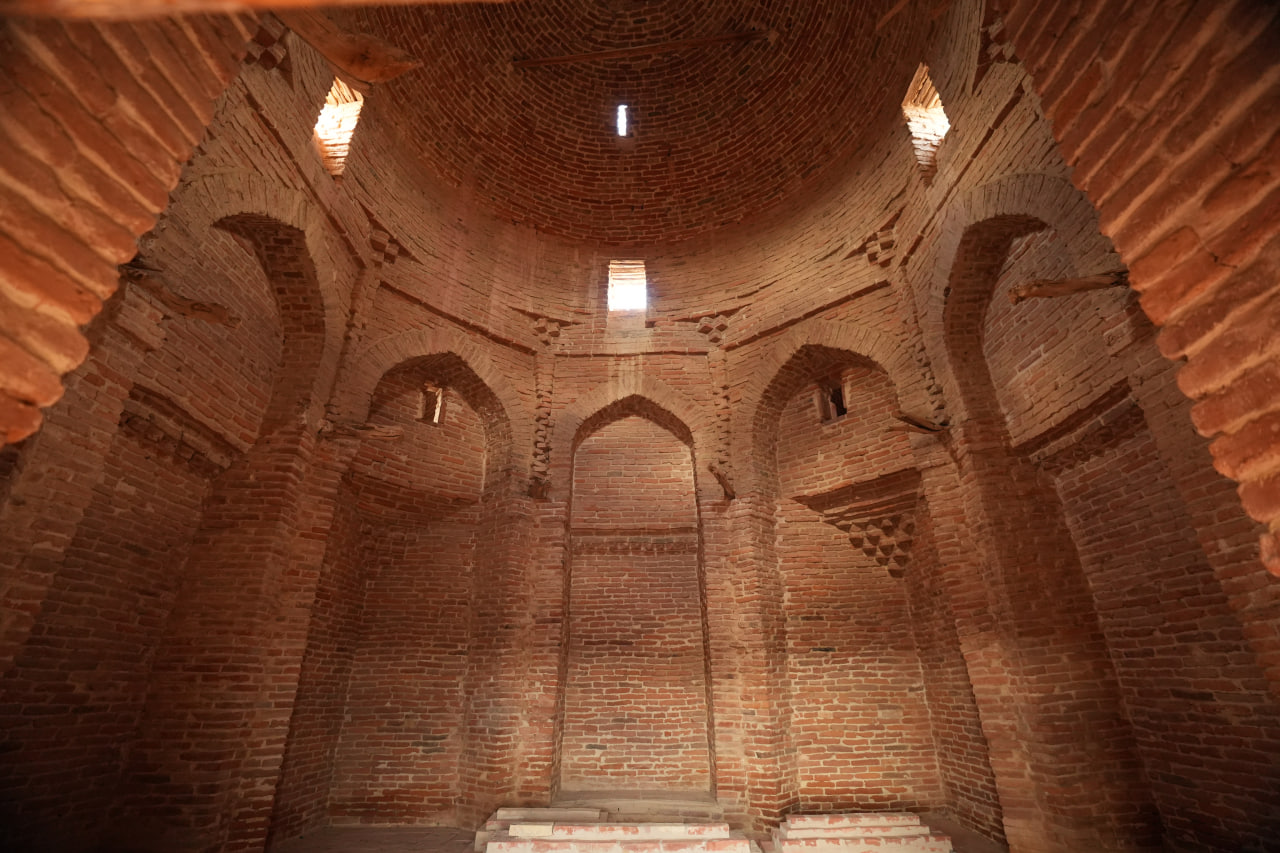
During the Soviet period, Kanysh Satpayev made a significant contribution to the study of the mausoleum. In his scholarly works, he was among the first to highlight the historical importance of Ulytau's monuments. Later, in 1946, the Central Kazakhstan Archaeological Expedition was established under the leadership of Alkey Margulan, and extensive research was carried out at the Mausoleum of Jochi Khan. Archaeologists carefully examined the structure, burial complex, and discovered artifacts, obtaining valuable scientific information.
One of the most famous Kazakh legends connected with Jochi Khan is "Aksak Kulan - Jochi Khan". This story has been preserved in the collective memory of the people and has inspired various works of art. It later became the basis for the animated film "Aksak Kulan."
Today, the Mausoleum of Jochi Khan is regarded as one of the most important historical and cultural monuments of Ulytau. It not only reflects the rich history of the region but also serves as a sacred site that represents the spiritual heritage of the Kazakh people.
Source: e-history.kz