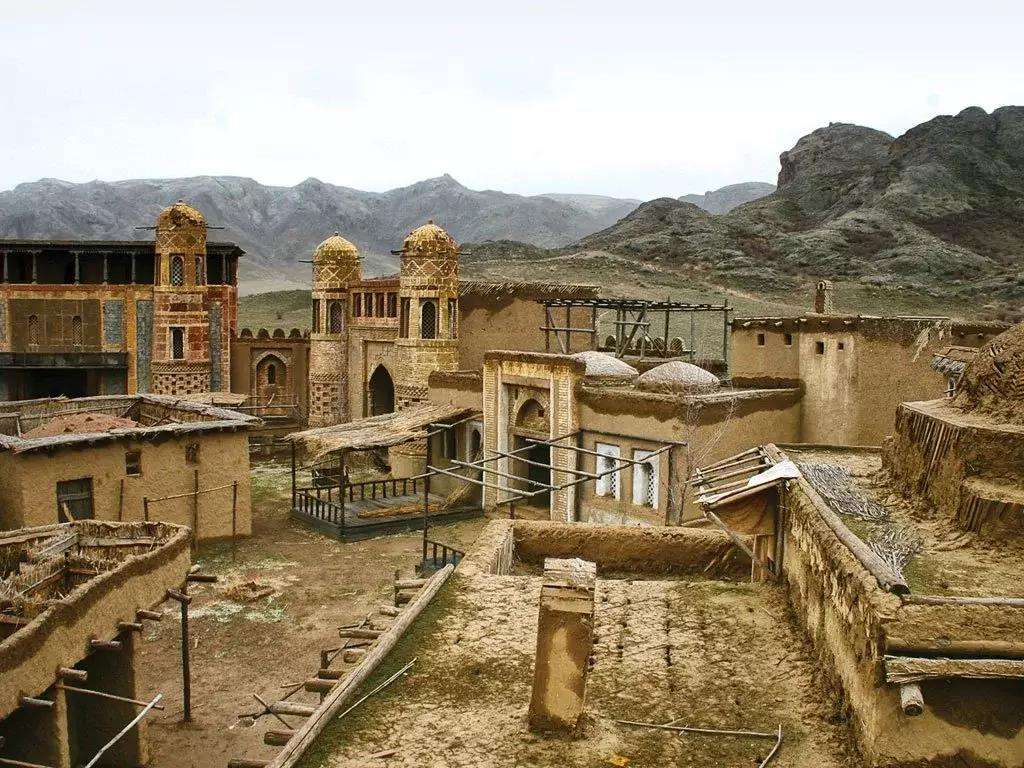
Sayram - known in the Middle Ages as Isfijab, is one of the oldest and largest cities in Southern Kazakhstan. Its history spans about 1,500 years, which makes Sayram an important center of the material and spiritual heritage of the Kazakh people.
In the XV-XVIII centuries, during the period of the Kazakh Khanate, Sayram served as a major trade, craft, and religious center. The city is located southwest of the modern Sayram village, about 12 km from Shymkent. In the Middle Ages, Isfijab was one of the largest cities in Southern Kazakhstan between the X and XIII centuries.
The Isfijab region covered a vast area: cities such as Keder, Syganak, Sauran, Yangikent along the Syr Darya, settlements like Baladz and Berukey on the northern slopes of the Karatau Mountains, as well as the cities of Zhetysu - Taraz, Kulan, Merke and Suyab.
The earliest mention of Sayram dates back to 629 and is found in the writings of the Chinese traveler Xuanzang, where the city is described as the “city by the White River.” In Mahmud al-Kashgari’s work “Diwan Lughat al-Turk,” Sayram is also mentioned as the later name of Isfijab.
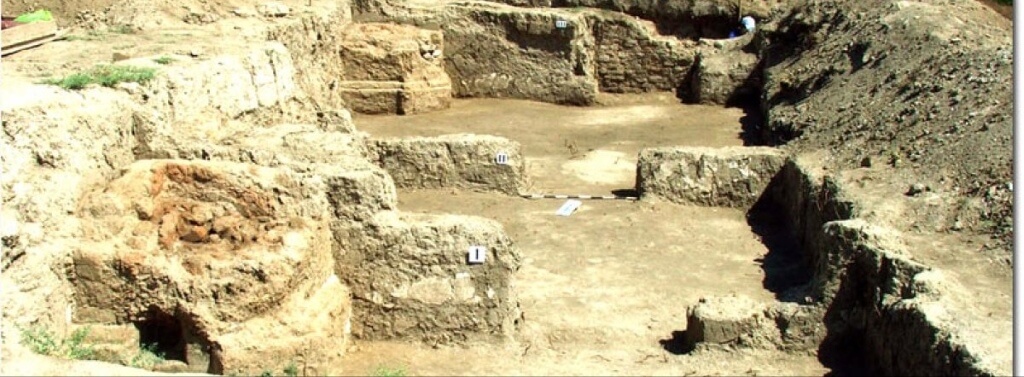
Archaeological research of Isfijab was carried out by P.P. Ivanov, M.E. Masson, and N. Bernshtam. Excavations revealed that the city had strong fortification walls and defensive gates.
Isfijab was an important trade center where goods such as white fabrics, weapons, swords, copper, and iron were sold. It was also known across the East as a center of slave trade. Goods entered the city through different gates, including the Bukhara Gate and Nudzhet Gate, as well as the northern caravan routes.
The city had powerful fortifications. The historian of the XV-XVI centuries, Ruzbihan Isfahani, wrote that the city walls were extremely high and the surrounding ditch was very deep and difficult to cross.
The city and its region were ruled by local Turkic tribes. The territory of Isfijab stretched from Sauran in the northwest to the Talas region in the east.
Islam spread into the region during the Samanid period, after which Sayram became not only a trade center but also a major religious and cultural hub.
In the late X century, in 990, Isfijab became part of the Karakhanid state. After that, the city turned into an important strategic center controlling trade routes and southern passages.
Sayram held great strategic importance, which is why Kazakh and Uzbek rulers fought over it for a long time. The population of the city was diverse, including both settled residents who spoke Iranian and Turkic languages and nomadic groups gradually becoming sedentary.
Until the end of the medieval period, Sayram remained an important political, economic, and cultural center, playing a significant role in the history of the Kazakh Khanate.
Source: qazir.kz