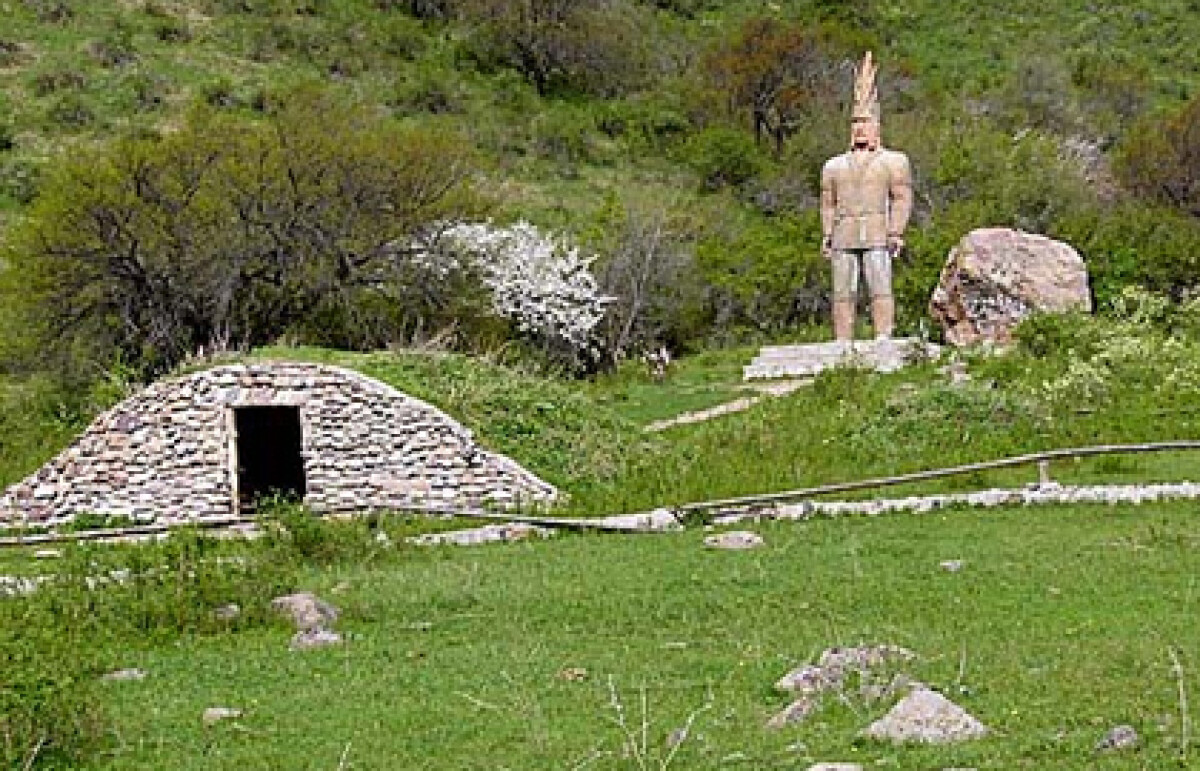
The State Historical and Cultural Museum-Reserve “Issyk” is an archaeological and local history museum included in the list of historical and cultural monuments of local significance in the Almaty Region, as well as in Kazakhstan’s list of national sacred sites. It is located in Issyk town, Enbekshikazakh District.
The Issyk burial mounds are part of the famous Scythian–Saka cultural heritage, which flourished in the Great Steppe in ancient times. The Saka “animal style” art emerged in the Eurasian steppes in the 1st millennium BCE and became a unique artistic tradition. This symbolic language of ancient nomads reflected their worldview and later became an important part of the cultural identity of the Kazakh people.
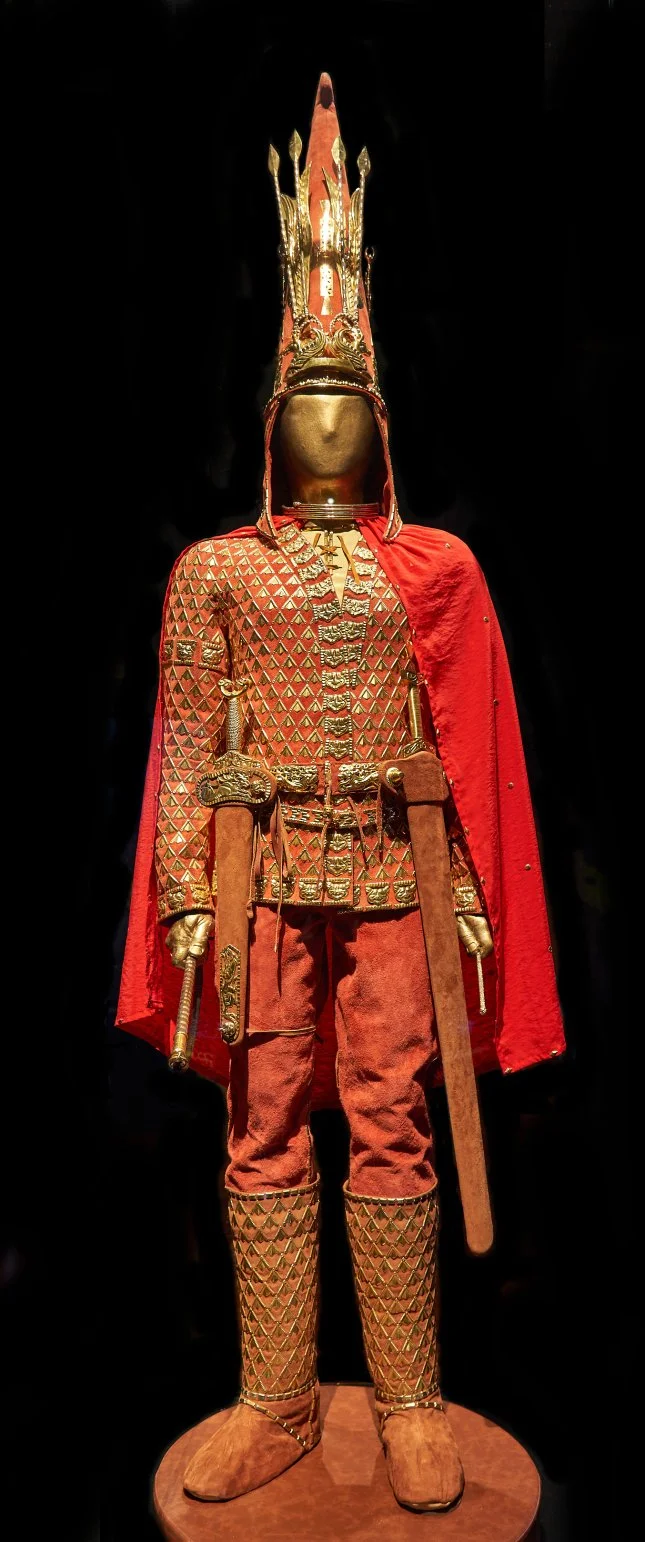
In 1970, under the leadership of academician K.A. Akishev, archaeological excavations near Issyk revealed a royal burial mound. Today it is known as the “Issyk Kurgan” — the burial site of the “Golden Man,” a young Saka warrior-priest. The richness and symbolism of his costume reflect the ancient nomadic understanding of the universe. The golden animal and bird motifs decorating his clothing represent a symbolic model of the World Tree and cosmic order. Gold symbolized divine power and high social status.
Today, the Issyk burial mounds and around 80 archaeological sites are under the protection of the State Historical and Cultural Museum-Reserve “Issyk” and are among the most important tourist attractions in the region.
More than 4,000 golden artifacts were discovered in the burial site, along with silver vessels, one of which contains mysterious inscriptions that have not yet been deciphered. These findings are of great importance for studying the ancient history and culture of Kazakhstan. The image of the “Golden Man” has become a symbol of independent Kazakhstan, and some elements of his costume are reflected in the state symbols of the country.
History of the museum The museum was established on the basis of archaeological and cultural monuments of the Almaty Region by the decision of the Mayor of Almaty dated February 24, 1993 (No. 2–440). In July 1993, Imanmukhamed Momynuly Bagzhanov was appointed as the museum director.
In 1998, during the “Year of History,” the development of tourism was raised, and the concept of creating an open-air museum at the Issyk burial mounds was developed.
In May 1999, the museum officially began operating as an open-air archaeological museum. The first exhibitions were organized by museum specialists.
The museum collection includes 1,081 storage units, of which 707 belong to the main collection.
In 2003, for the museum’s 10th anniversary, the exhibition was fully updated. It currently consists of four halls:
— Independent Kazakhstan Hall, Local History Hall, Archaeology Hall, “Treasures of the Issyk Burial Mounds” Hall
The core of the exhibition is made up of archaeological artifacts, especially the famous “Golden Man,” a national treasure of Kazakhstan.
Major excavations were carried out across the Almaty Region. Among the well-known burial sites are Issyk, Besshatyr, Turgen, Boralday, Kegen, and others.
The museum building was originally constructed in 1963 as the “Yunost” cinema, and has been used as a museum since 1993.
Renovation works were carried out in later years: 2004: current repairs, 2010: major renovation and exhibition redesign.
Source: kk.wikipedia.