Bozok Settlement is an archaeological monument included in the State List of Historical and Cultural Monuments of Republican Significance. It is located about 5 km southwest of Astana, on the eastern shore of Lake Buzukty, on the left bank of the Ishim River.
The site was first mentioned in 1816 in the travel notes of Ivan Shangin, an officer of the Russian imperial army and mining engineer who took part in an expedition across Northern and Central Kazakhstan from Siberia. In 1928, Leonid Semyonov, director of the Akmola Regional Museum of Local History, visited the site but could not obtain precise information from local residents. In 2019, Bozok was officially included in the list of monuments of republican significance.
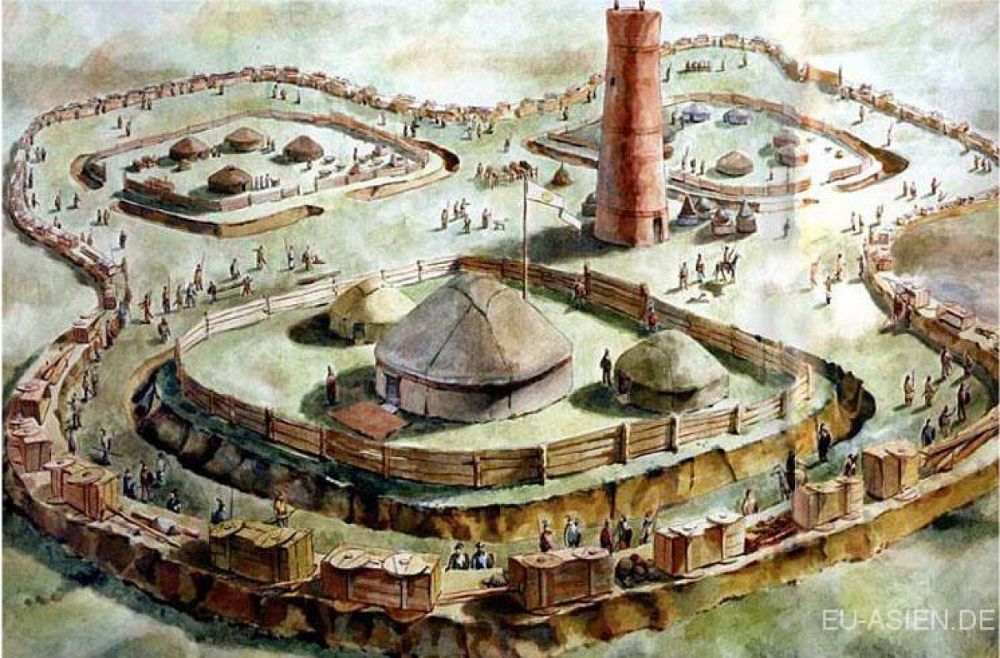
From the 7th century, the territory of Bozok began to be actively used by Turkic tribes. A fortified center consisting of three platforms was built here, each measuring approximately 65 × 55 meters. The defensive ditches were 3–5 meters wide and 2–3 meters deep, while the fortress walls, built of mud bricks, have survived in places up to 1 meter in height.
In the 10th century, Bozok was re-developed and became a residential and administrative center of the Kipchak rulers. Residential buildings and watchtowers were constructed from raw bricks. The eastern part was used for agriculture and gardening, while irrigation relied on nearby lakes and seasonal floodwaters. According to academician Kemel Akishev, Bozok served as a military-administrative residence of the Kipchak khan and was located on an important branch of the Silk Road, connecting China, Europe, Siberia, and major cities of Southern Kazakhstan.
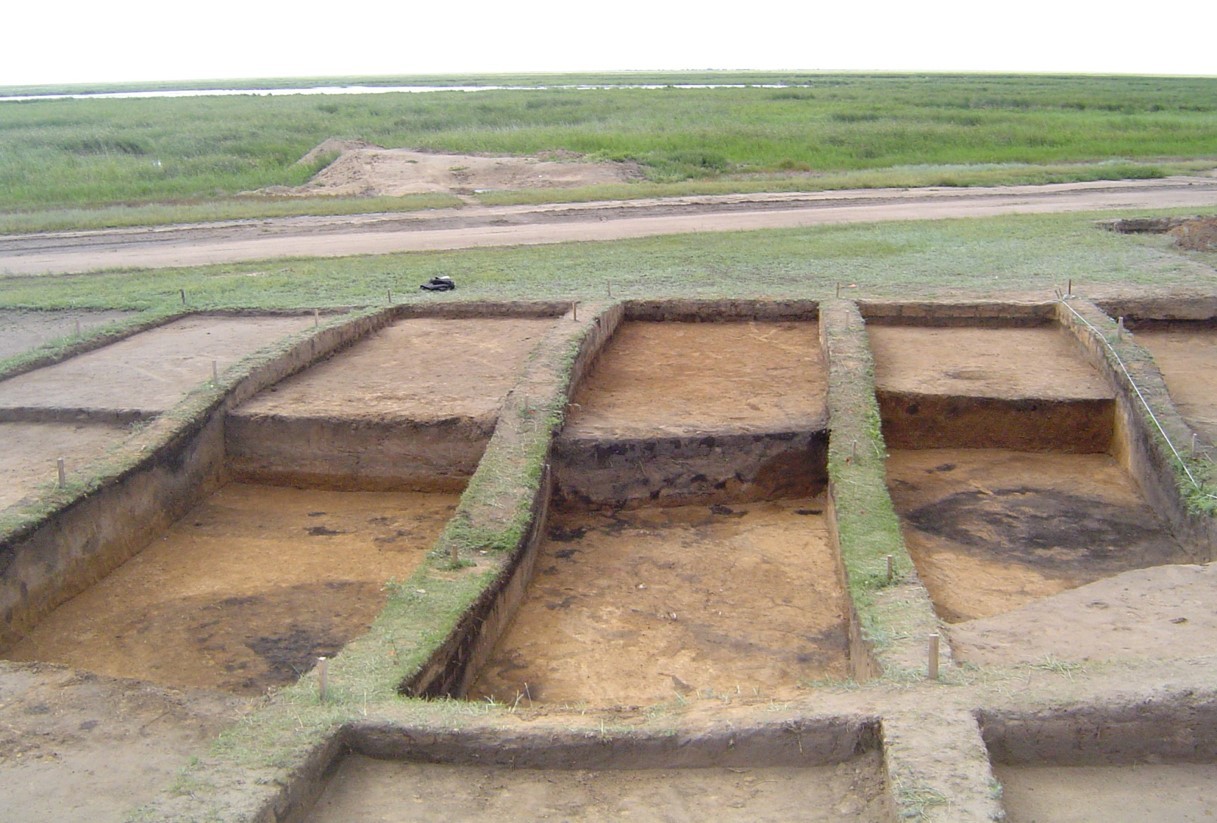
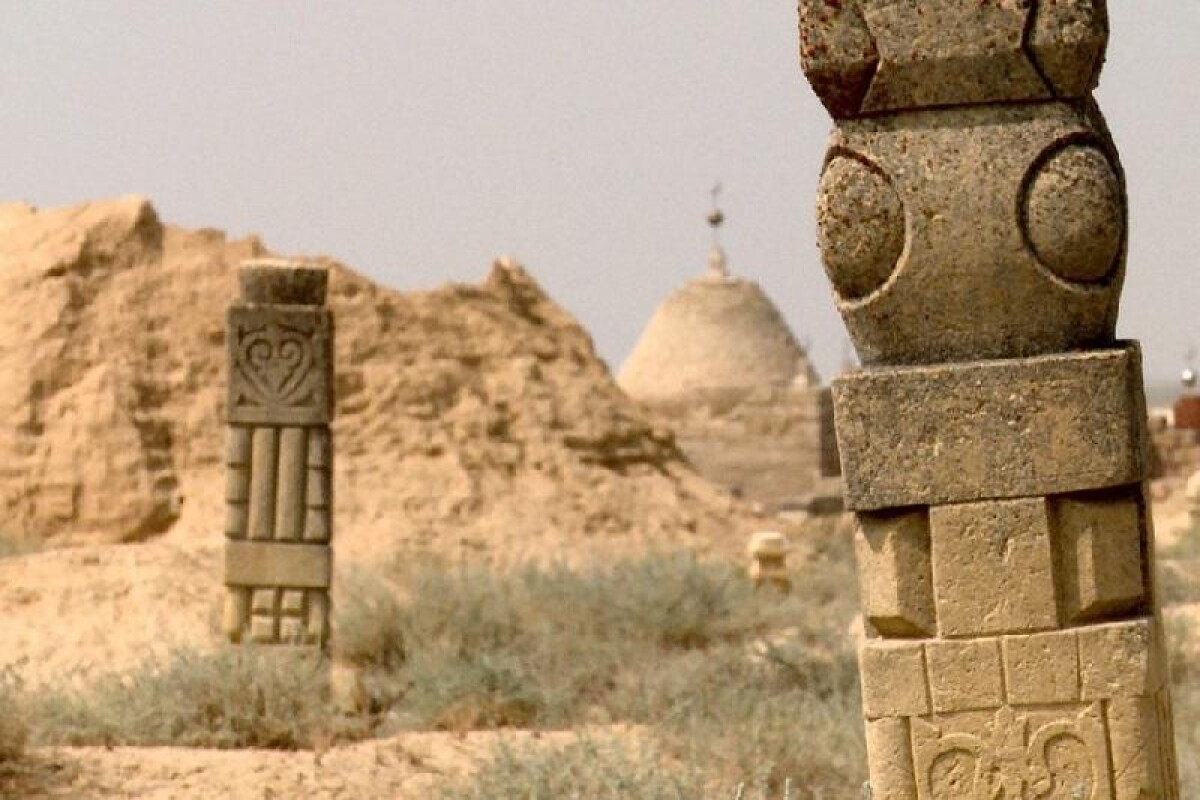
After the Mongol invasion in the 13th century, the settlement was temporarily abandoned. Later, during the period of the Jochi Ulus (13th–14th centuries), Bozok was revived and transformed into a religious and memorial center. Archaeological excavations uncovered five mausoleums, two brick kilns, and other cult structures. A notable find was the burial of a female warrior around 40 years old, buried in a wooden coffin with rich grave goods, including jewelry made of precious stones, silver earrings and bracelets, as well as weapons such as a spear, dagger, a silver bowl, and a bronze mirror, indicating her high social status.
Residential buildings from the 13th–14th centuries were semi-dugout houses with an area of 17–20 m², consisting of 2–4 rooms connected by corridors. Inside were hearths, U-shaped benches, and wall niches. Roofs were covered with reeds and coated with clay.
Bozok covers a historical period from the 7th to the 16th–17th centuries and represents a multi-layered archaeological complex that combines cultural stages from ancient Turkic to Kipchak times. From the 14th century, it became a religious center. Today, Bozok is considered one of the best-studied medieval sites in Kazakhstan, and its materials are highly important for studying ethnogenesis, social structure, economy, and material culture.
In 2019, the State Historical and Cultural Museum-Reserve “Bozok” was established, operating under the Ministry of Culture and Information of the Republic of Kazakhstan. It is responsible for the preservation, study, and popularization of archaeological, ethnographic, and architectural heritage of the site.
The museum’s main activities include archaeological excavations, ethnographic documentation, exhibitions, scientific publications, seminars, and international conferences. Special attention is given to digitalization, historical reconstruction, and international cooperation. In the same year, a memorandum was signed with the Turkish agency TİKA to develop infrastructure and scientific projects.
Based on archaeological research, an open-air archaeological park is being created, where reconstructions from different historical periods—from the Eneolithic to modern times—are presented. Today, Bozok is an important scientific and educational center reflecting the ancient heritage of the Great Steppe and is closely connected with the history of Kazakhstan’s capital.
The settlement covers an area of about 30 hectares and is located in a strategic zone between the Ishim and Nura rivers at the crossroads of caravan routes. In the 13th–15th centuries, it served as a sacred site, where religious rituals, memorial feasts, and caravan stops were held.
There are several theories about the origin of the name “Bozok”: one links it to the Turkic word “boz” meaning virgin or light-colored land, while another connects it to “boz ok” meaning “white arrow.”
Source: kk.wikipedia.org.