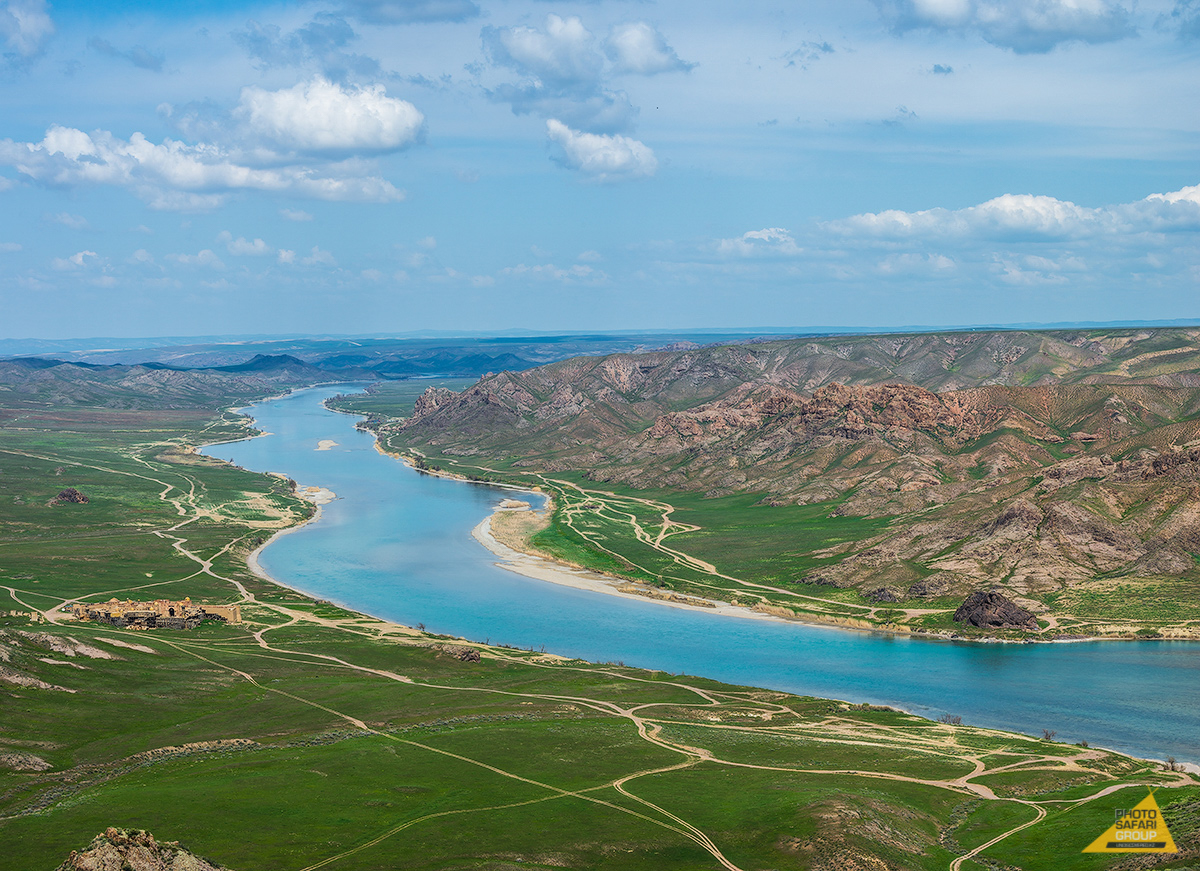
The Zhaiyk River is a major waterway connecting the territories of Kazakhstan and Russia. The river is internationally known as the Ural River, while the Kazakh people have traditionally referred to it as Zhaiyk. The river originates on the southern slopes of the Ural Mountains in the Russian Federation, flows through the western regions of Kazakhstan, and empties into the Caspian Sea. The total length of the river is 2,428 km, of which 1,082 km lie within the territory of Kazakhstan. More than one thousand kilometers of the river's course pass through Kazakhstan. The total drainage basin covers more than 230,000 square kilometers. The Zhaiyk River is one of the largest rivers flowing into the Caspian Sea and serves as an important natural waterway connecting Europe and Asia.
The river is primarily fed by snowmelt. Its average annual water discharge is approximately 400 m³/s. The Zhaiyk has special significance because it has long been regarded as one of the natural boundaries between Europe and Asia.
In terms of length, the Zhayyq ranks as the third-longest river in Europe, surpassed only by the Volga and the Danube. Since most of its course lies within Europe, it is often classified as a European river.
History of the River's Name
Historical records indicate that the river has been known by various names throughout different periods. In ancient times, it was called Lykos, and later Daix, Daih, Jaih, Yagak, Ulusu, and several other names. The name "Yaik" first appeared in Russian written sources in 1229. The Kazakhs, Bashkirs, Tatars, and other peoples living along its banks referred to the river as Zhaiyk, Yaik, or Jaiq. These names symbolized the river's vastness, abundance, and strength. Later, the river was renamed Ural, after the Ural Mountains where it originates. According to Turkic interpretations, the name refers to a large river that receives the waters of numerous tributaries. Following the uprising led by Yemelyan Pugachev, Empress Catherine II issued a decree in 1775 officially renaming the Yaik River to the Ural River in an effort to erase the memory of the rebellion from public consciousness.
Economic Importance
For centuries, the Zhayik River has played a vital role in the lives of local communities. The Kazakh people have traditionally regarded it as a source of life and prosperity. The river's waters are widely used in agriculture, industry, and for domestic purposes. Historically, the region was well known for its fishing industry and river navigation. The river was rich in valuable sturgeon species. However, in recent years, declining water levels have significantly reduced its navigational potential. In the late nineteenth century, researcher N. Ya. Danilevsky described the Zhaiyk as one of the world's most important rivers for fisheries. At that time, fishing was the primary occupation of many people living along the river.
Natural Features of the Region
The Zhaiyk River Delta and the Caspian Sea coastline are recognized as internationally important wetlands. These territories are included in the list of sites protected under the Ramsar Convention. In 2007, Kazakhstan joined the Ramsar Convention, assuming international obligations to preserve water resources and protect natural ecosystems.
Environmental Condition of the River
In recent years, the environmental condition of the Zhaiyk River has become a matter of serious concern. Declining water levels, climate change, and human economic activities have had a significant impact on the river's ecosystem. The population of sturgeon species has declined by dozens of times, while many natural spawning grounds have been lost. Industrial and domestic waste further threaten the river by deteriorating water quality. In some sections of the river, concentrations of harmful substances exceed permissible limits several times over. The accumulation of garbage and industrial waste on the riverbed negatively affects aquatic flora and fauna, creating serious environmental risks.
Natural Characteristics of the River
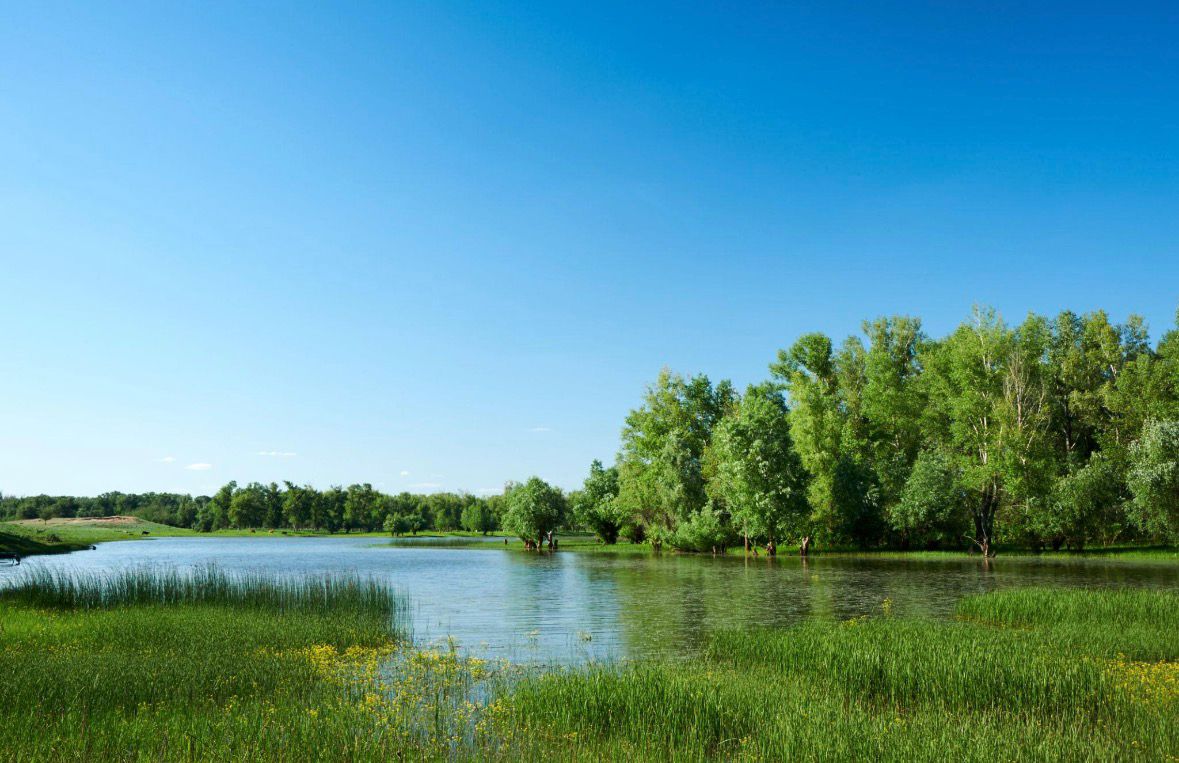
Within Kazakhstan, the Zhayyq flows through extensive grasslands and lowlands, forming numerous lakes and oxbow channels. Upon reaching the Caspian Lowland, the river widens considerably and takes on the characteristics of a typical lowland river. Steep banks composed of sand and clay are frequently found along its course. The main tributaries of the Zhaiyk include the Samara, Shagan, Ilek, and Or Rivers. The Olenty, Buldyrty, Kaldygayty, Oiyl, and Sagyz Rivers often fail to reach the Zhaiyk, losing their waters in sandy areas. The river supplies water to numerous irrigation and land-reclamation systems. In addition, it provides water for oil industry enterprises and settlements throughout the region. The river is home to sturgeon, stellate sturgeon, herring, pike-perch, common carp, catfish, and many other fish species.
The Zhaiyk River is not only a valuable natural resource of Kazakhstan but also an integral part of the nation's history, culture, and economic life. Improving the river's environmental condition, ensuring the rational use of its water resources, and maintaining ecological balance are shared responsibilities of society.
By protecting the Zhaiyk today, we preserve not only a unique natural ecosystem but also the well-being of future generations. Therefore, safeguarding the river's cleanliness, using its waters responsibly, and protecting its natural wealth should be the responsibility of every citizen.
Source: stud.kz