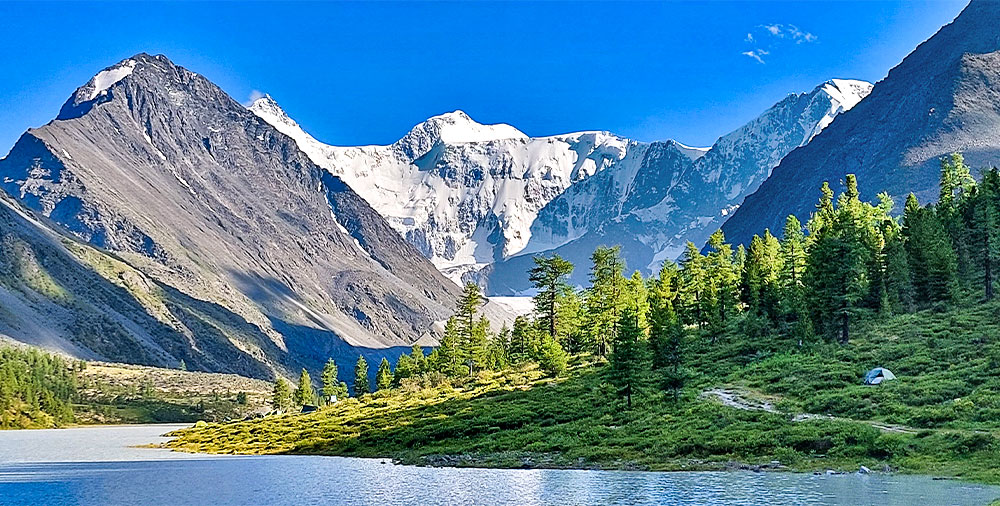
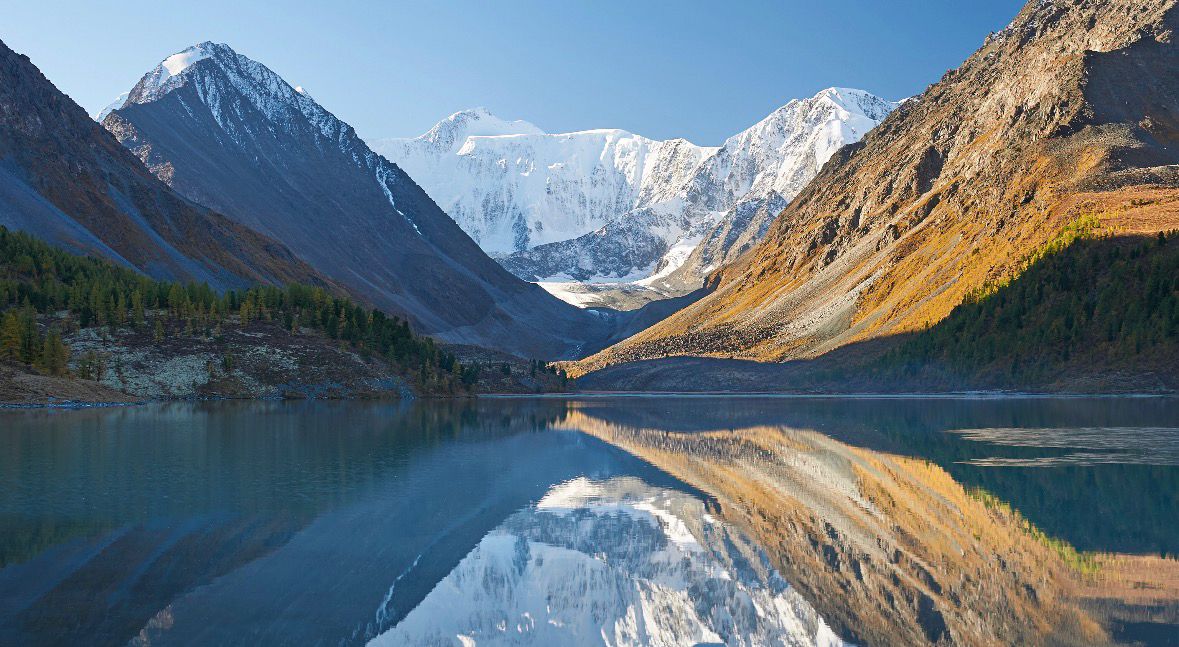
Mount Belukha (Muztau) is located in the Katun mountain range and is the highest peak of the Altai Mountains, as well as part of the UNESCO World Heritage site known as the “Golden Mountains of Altai.” This mountain is famous not only for its height but also for its sacred status, legends, and unique natural environment. The shortest route to Belukha starts from the village of Tungur and follows the Katun River, continuing upward along the Akkem River. There is also a longer trail passing through the village of Kucherla. From the Akkem River to Lower Akkem, the distance is approximately 30 kilometers.
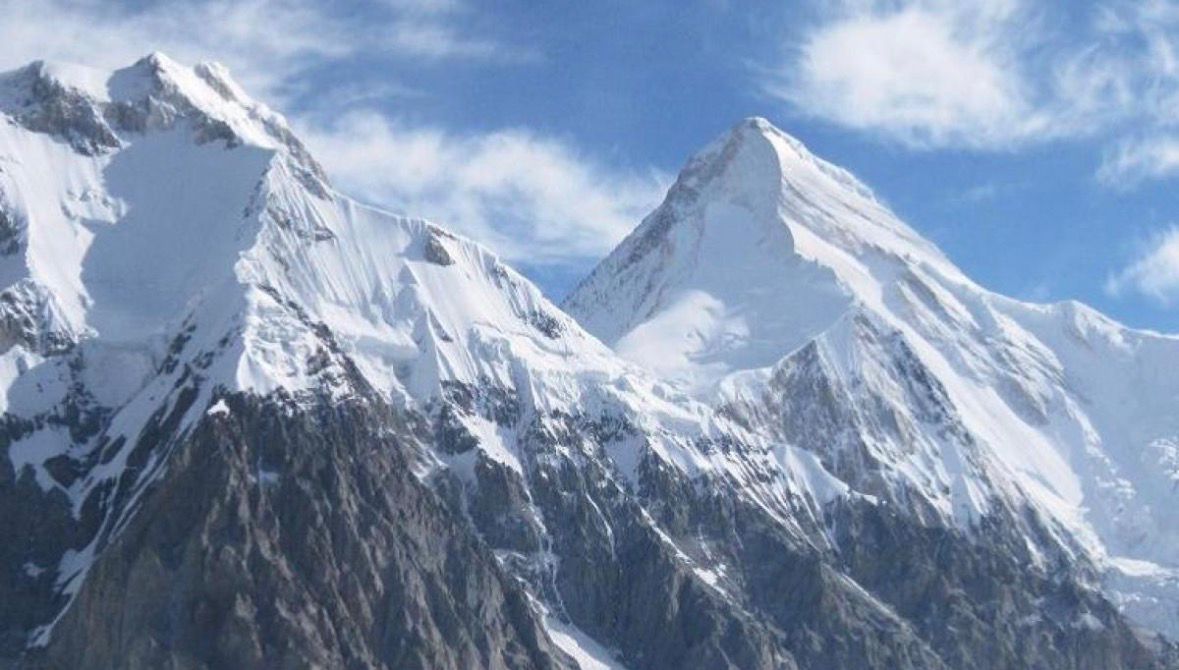
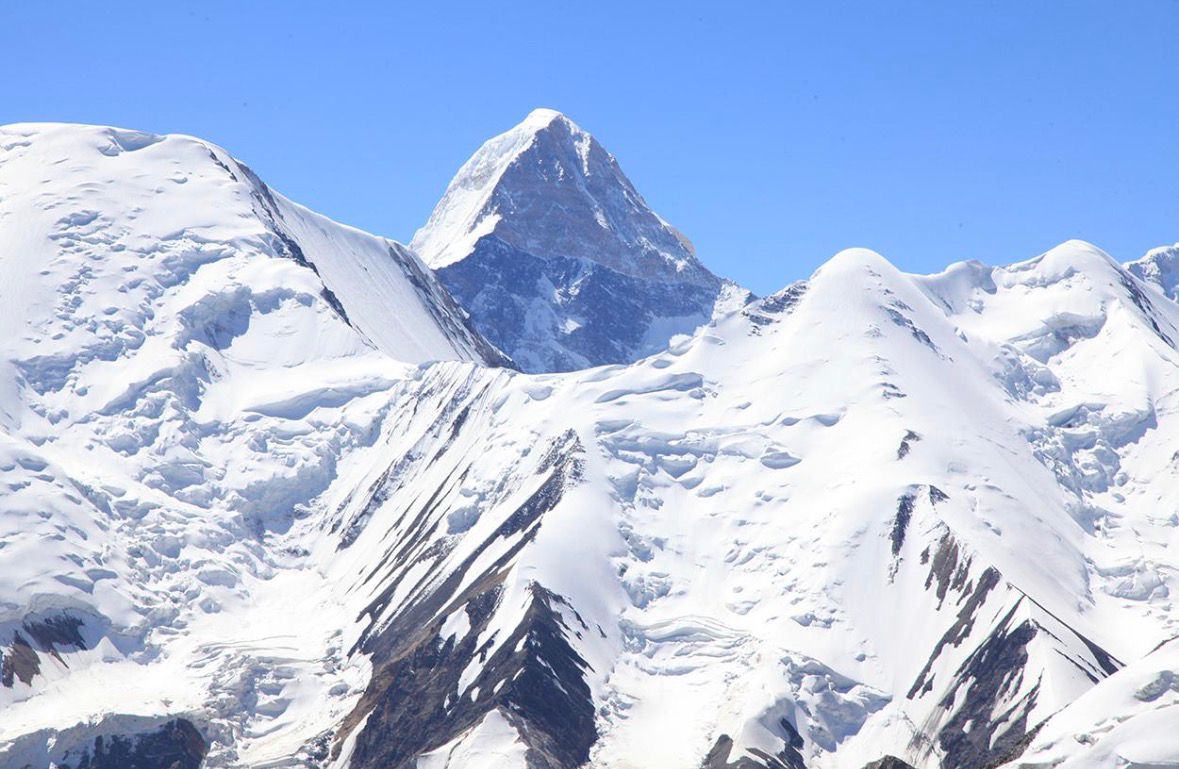
The Belukha massif consists of two main peaks: East Belukha (4506 m) and West Belukha (4435 m). The northern face drops steeply toward the Akkem Glacier, while the southern slope descends more gradually toward the Katun Glacier. This dramatic geography makes the mountain visually striking even from a great distance.
Belukha has several historical names. The indigenous Altai people call it Uch-Sumer (“Three Sumer”). The word “Sumer” is associated with the Buddhist sacred mountain Meru, so the name can be interpreted as the “three-headed sacred mountain.” From certain angles, its three peaks resemble a white crown. Another name is Katyn-Bazhy. In ancient Turkic languages, “Katyn” means “queen” or “noble woman,” while “bazhy” means “head” or “peak.” Thus, the name can be interpreted as the “peak of the queen” or a royal mountain.
Slavic peoples refer to the mountain as Belukha. While this is often linked to its snowy appearance, in folklore it is also associated with the mythical land of “Belovodye” - a paradise on Earth.
In Turkic worldview, Belukha is considered a sacred place connected to the spirit of Umay Mother, the protector of life. The white peaks symbolize motherhood, while the pure streams flowing from the mountain are seen as a source of life, like mother’s milk. In this understanding, the mountain is not just a natural formation but a spiritual bridge between Tengri and humanity.
Many legends are associated with Belukha. In various traditions, it is described as part of the route to Shambhala, the place of lost civilizations, or a center of powerful cosmic energy. In popular belief, Belukha is a sacred point connected to the future of humanity and the preservation of spiritual balance in the world.
In 1926, the researcher Nicholas Roerich led an expedition to the Altai region and paid special attention to Belukha, describing it as one of the most important spiritual centers of the region. In his view, Altai and the Himalayas represent two spiritual poles of humanity.
The region around Belukha is also associated with the religious movement Burkhanism, based on faith in the Sky (Kök Tengri), nature, and divine signs. This tradition was preserved for a long time among local communities.
At the foot of the mountain lies the Berel Valley, known as the “Valley of Kings.” Here, ancient burial mounds from the Scythian and Turkic periods have been discovered. According to legends, these sites are connected to ancient tribes that supposedly went underground and may one day return. Some researchers also suggest that the arrangement of the burial sites may have astronomical significance.
The nature of Belukha has a strong impact on people. Scientists note weak natural vibrations in the area that may influence emotional and psychological states, creating feelings of calmness and inner purification. Visitors often feel a deep connection with nature and a sense of inner clarity.
Thus, Belukha is not just a high mountain. It is a place where nature, mythology, ancient history, and spiritual beliefs intersect, forming a unique space that leaves a deep and lasting impression on anyone who experiences it.
Sources: shqolibrary.kz