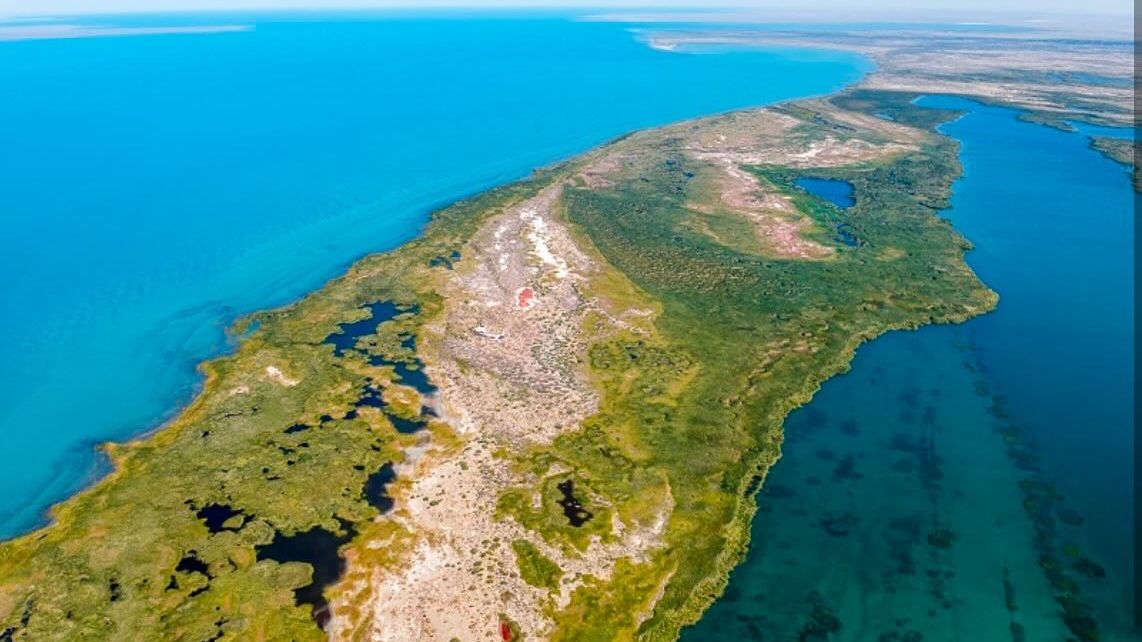
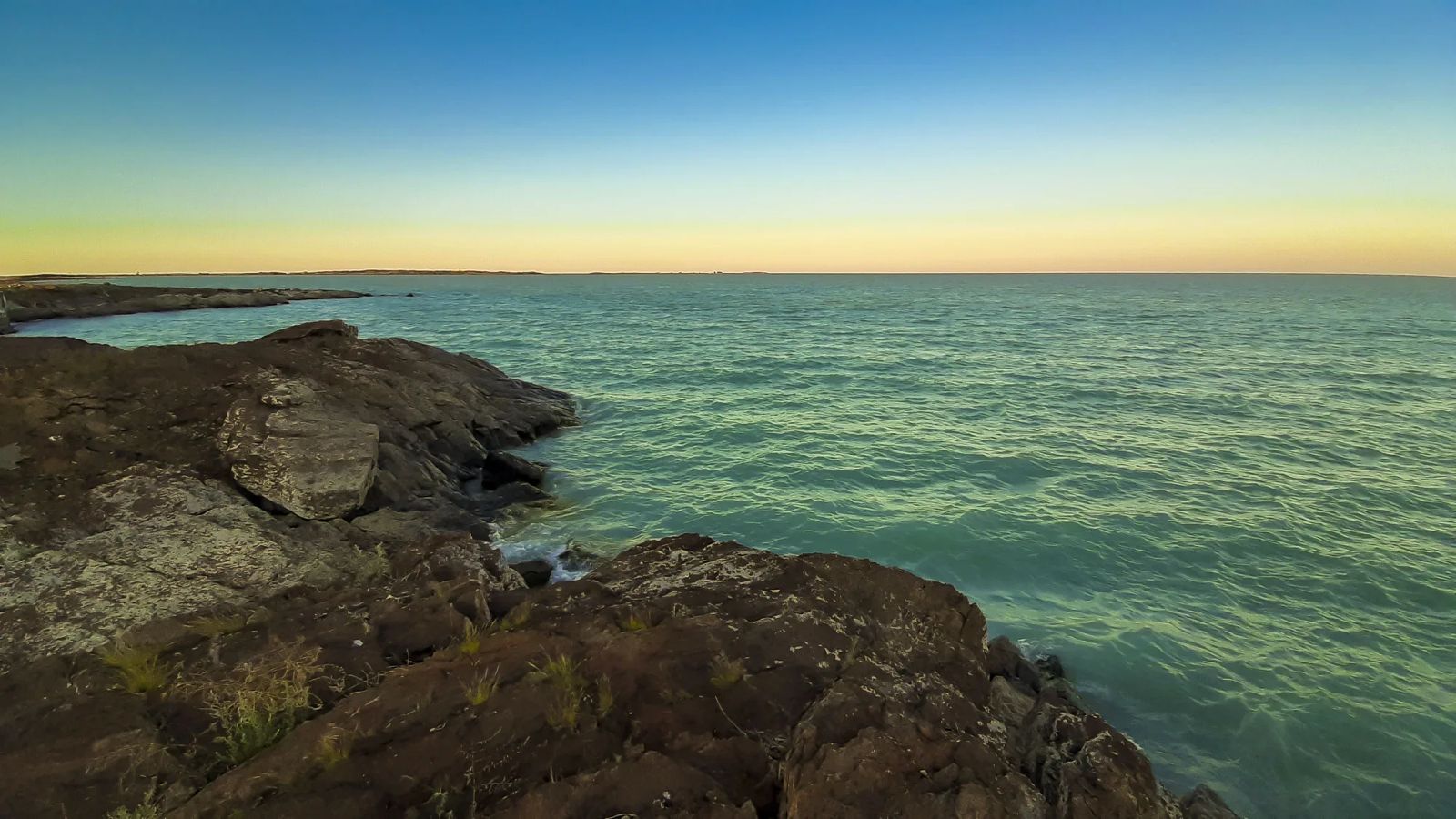
The Balkhash region is a picturesque corner of Kazakhstan with a warm climate and a large number of sunny days. This area is located in a zone of semi-deserts and arid steppes, and the main source of life here is Lake Balkhash. The region is known for its beautiful nature and rich flora and fauna. Until the mid-20th century, tigers inhabited these areas. Wild boars could be found in dense thickets. In the delta of the Ili River, there are roe deer, saiga antelopes, goitered gazelles, foxes, and badgers. The Balkhash region is also rich in birdlife. In the quiet bays and along the shores of the lake, pink and curly pelicansnest, as well as cormorants that swim in large flocks. The plant world of the region is also highly diverse. Saxaul, tamarisk, wormwood, licorice, camel thorn, and sasyk are widely distributed here. Along rivers and lakes, small groves of willow, turanga, and tamarisk can be found. In wetlands, reed, bulrush, and cattail grow densely. Such thickets serve as habitats for many animals, birds, and fish. In spring, the steppe is decorated with blooming tulips and snowdrops. The Bektauata mountain massif rises majestically over this region.
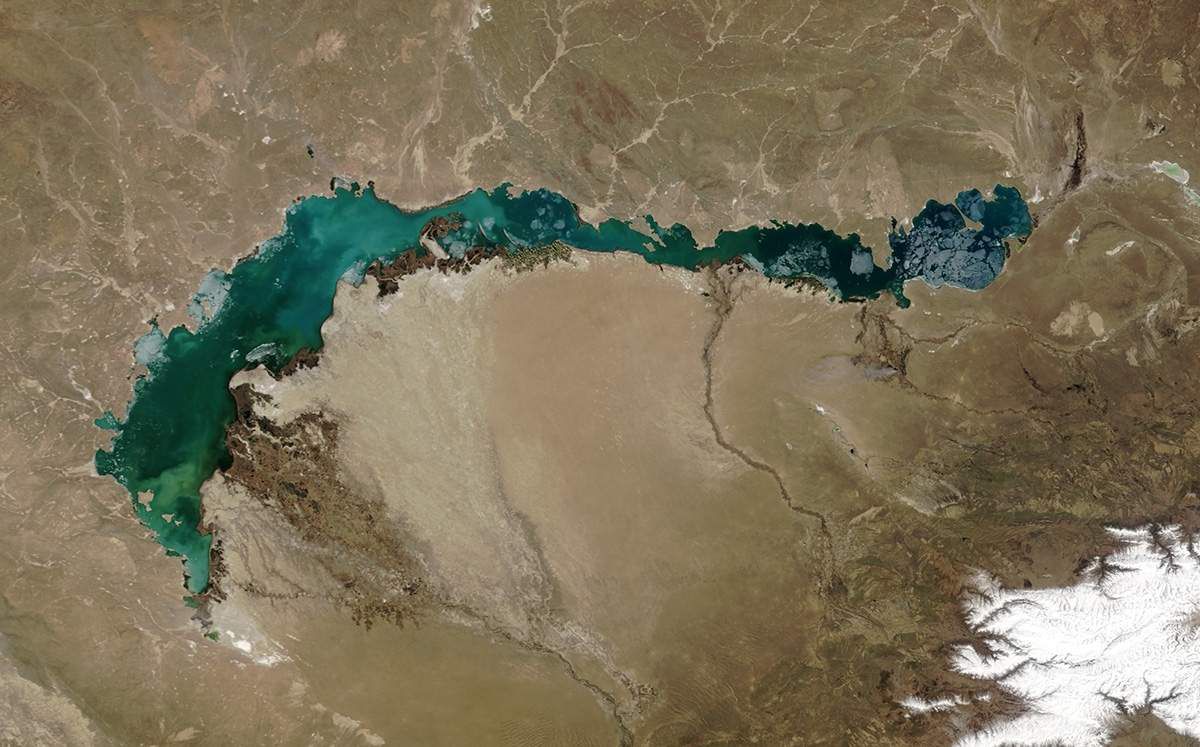
Lake Balkhash is one of the largest lakes in Kazakhstan and the largest endorheic (closed drainage) lake after the Caspian and Aral Seas. It is 614 kilometers long, and its width varies from 3.5 to 44 kilometers. Its maximum depth reaches 26 meters. The main feature of the lake is that the water in its western and eastern parts differs in composition. The western part, fed by the abundant Ili River, contains fresh water. The eastern part has a higher mineral content and is therefore brackish. The Ili, Karatal, Lepsy, and in some years Aягоз rivers also flow into the lake. The climate of the region is sharply continental. Summers are hot and dry, while winters are cold. Due to strong evaporation, the water level in the lake changes annually. The Ili-Balkhash basin is rich in natural resources. Many fish species live here, including carp, asp, catfish, bream, grass carp, and whitefish. Thousands of tons of fish are caught in the lake every year. The Balkhash whitefish and Balkhash perch are listed in the International Red Book. Hundreds of bird species inhabit the area around the lake, including more than twenty species listed in the Red Book of Kazakhstan. Wild boars, muskrats, and saiga antelopes are also widely found here. On the northern shore of the lake is one of the country’s largest industrial enterprises - JSC “Balkhashmys”. The southern coast is rich in pastures and agricultural lands. Today, Lake Balkhash is one of the most attractive destinations for recreation and tourism. Thousands of tourists from all over Kazakhstan visit it every year.
Legend of the Origin of the Name Balkhash
According to ancient legend, on the western shore of the lake lived a wealthy man who had a beautiful and intelligent daughter named Balkiya. Her relatives affectionately called her Balkhash. When she reached adulthood, her parents decided to marry her to a fiancé she had been betrothed to since childhood. However, she did not like his character and behavior. Instead, she fell in love with a young man named Erden and ran away with him from her village. The young couple settled on the shore of a large lake among dense reeds, planning to stay there until winter and then move elsewhere. One day, Erden was attacked and severely injured by a wild boar. Despite Balkhash’s care, his wounds proved fatal, and he soon died. The girl deeply mourned his death and buried him herself. Later, when she saw her relatives and wedding matchmakers searching for her, she did not want to return and lose her freedom. She threw herself into the lake and died. According to legend, after this tragedy, people began calling the lake Lake Balkhash in her honor.
Lake Balkhash is not only a large body of water but also an important site for ensuring the country’s ecological safety and preserving its natural heritage. Its unique nature and rich ecosystem represent an invaluable treasure that must be preserved for future generations.
Source: madeniportal.kz